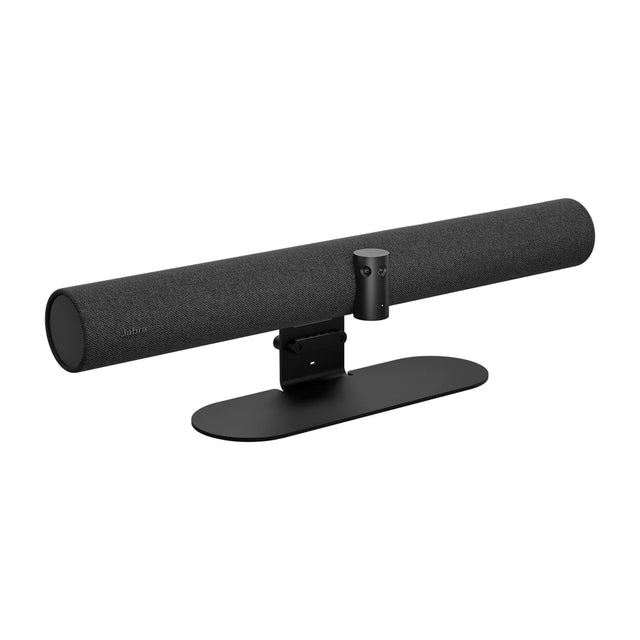
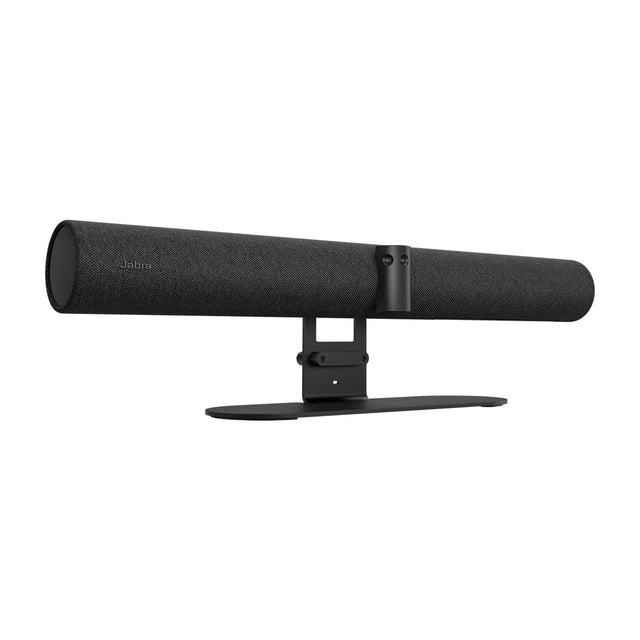
Video conferencing is older than most people think. AT&T showed its Picturephone at the 1964 New York World's Fair, room-based systems using dedicated codecs appeared in the late 1970s and 1980s, ISDN-based standards made calls between different brands possible in the 1990s, and expensive telepresence suites arrived in the 2000s. Cloud services like Skype, WebEx, Zoom, Teams and Google Meet then moved meetings onto ordinary laptops, and today's room systems are mostly video bars running those same cloud platforms.

Timeline
| Era | Milestone | What changed |
|---|---|---|
| 1920s-1930s | Experimental two-way TV links (AT&T Bell Labs, Germany's public video phone service) | Proved the concept; impractical at scale |
| 1964 | AT&T Picturephone demo at the World's Fair | First widely publicized video phone |
| 1970 | Picturephone commercial service launched | Expensive, little demand; withdrawn |
| Late 1970s-1980s | Room codecs from Compression Labs, PictureTel and others | First business room systems over dedicated lines |
| 1990 | ITU H.320 standard | Calls over ISDN between different vendors' systems |
| 1990s | Desktop video (CU-SeeMe, PC cards), Polycom founded | Video moves toward the desk |
| 1996 | ITU H.323 standard | Video over IP networks |
| 2000s | Telepresence suites (Cisco, HP Halo, Polycom) | Life-size, high-end rooms |
| 2003 | Skype launches | Free consumer calling, video soon after |
| 2000s-2010s | WebEx, GoToMeeting, Lync/Skype for Business, Google Hangouts | Web conferencing in the browser and desktop |
| 2011-2013 | Zoom founded (2011), launches (2013) | Easy cloud video for anyone |
| 2017 | Microsoft Teams launches | Video inside the chat and Office suite |
| 2020 | Pandemic-driven surge in remote work | Video becomes default for many meetings |
| 2020s | Hybrid rooms, AI framing, multi-camera | Rooms designed for remote participants |
Video conferencing before Zoom
Before Zoom, businesses used three main kinds of video:
- Room systems from Polycom, Tandberg (later Cisco), LifeSize and others, connecting over ISDN and then IP using H.323 or SIP. They often required a bridge (MCU) to connect more than two sites and an IT team to schedule calls.
- Telepresence suites with matched furniture, multiple screens and dedicated networks. They looked great and cost a fortune.
- Desktop and web tools like WebEx, GoToMeeting, Skype and Lync. Easy to start but limited in quality and room integration.
Zoom and Teams changed the model: everyone joins the same cloud service, from a laptop, phone or room, with no bridge to manage.
How room systems evolved
- Codec plus cameras (1980s-2000s): a hardware codec box, a PTZ camera and a mic pod, all wired to a display. See what is a codec?.
- Telepresence (2000s): multiple codecs and screens to make remote people look life-size. See video conferencing vs telepresence.
- PC-based rooms (2010s): a small PC running Skype for Business or Zoom with USB cameras and speakerphones.
- Cloud room platforms (late 2010s): Microsoft Teams Rooms, Zoom Rooms and Google Meet hardware, with touch controllers and calendar join.
- Video bars and AI (2020s): an all-in-one bar with built-in compute, AI framing and remote management. See what is a video bar?.
Where it is heading
Current development focuses on making remote participants equal to people in the room: multi-camera views, speaker tracking, better audio coverage, and AI features like meeting summaries. See Teams Rooms AI features and what is a hybrid meeting?.
Further reading: how video conferencing works and what is VTC?.
Upgrading an older room system? Tell us what you have and we'll suggest a modern replacement.
Related guides
Outfitting several rooms, or reselling? Get a volume quote or apply for wholesale pricing →