The main advantages of video conferencing are less travel, faster meetings and decisions, and the ability to include remote people face to face. The main disadvantages are meeting fatigue, technical problems, and hybrid meetings where remote attendees can't see or hear the room well. Most of the technical downsides come from poor audio, bad camera placement and unreliable setups, and they shrink with the right room hardware and a bit of discipline.

Advantages
| Advantage | What it means in practice |
|---|---|
| Less travel | Fewer trips for internal meetings, client check-ins and interviews |
| Faster decisions | Meetings get scheduled in hours, not weeks |
| Wider hiring | Teams can include people in other cities and time zones |
| Better than phone calls | Facial expressions and shared screens reduce misunderstandings |
| Easy content sharing | Everyone sees the same document or slide at once |
| Recording and transcripts | People who miss a meeting can catch up |
| Continuity | Work continues during weather, illness or office closures |
| Access | Telehealth, remote court hearings, remote learning and church streaming |
Disadvantages
| Disadvantage | Why it happens |
|---|---|
| Meeting fatigue | Back-to-back calls, constant self-view, little movement |
| Technical problems | Bad audio, echo, poor Wi-Fi, apps not updated |
| Weak hybrid meetings | Remote people can't hear side conversations or see the whole room |
| Less informal contact | Fewer hallway conversations and relationship building |
| Time zones | Scheduling across regions is hard |
| Security and privacy | Uninvited guests, recording without consent, unmanaged devices |
| Costs | Licenses and hardware for rooms |
How good room hardware fixes the downsides
- Audio first. Most complaints are about sound. A room system with beamforming mics and echo cancellation lets remote people hear everyone, not just whoever is closest to the laptop. See our conference room audio guide.
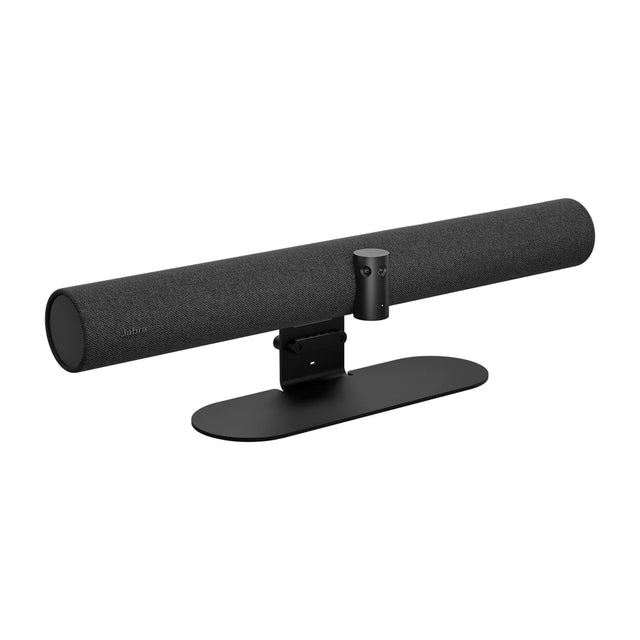
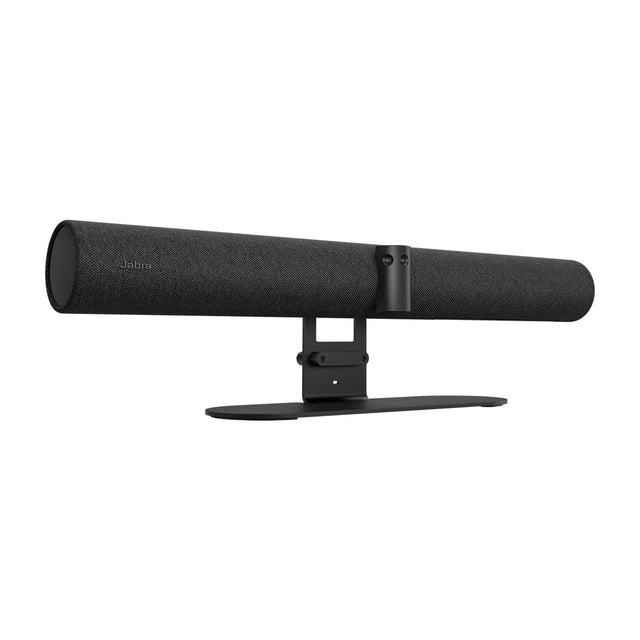
- A camera at the screen. A video bar mounted at the display shows faces, not the side of heads. AI framing keeps everyone in view. See what is a video bar.
- One-touch join. Teams Rooms and Zoom Rooms appliances start meetings from a touch panel, which removes most "can you hear me" minutes. See Teams Rooms vs BYOD.
- Managed devices. Central management keeps firmware and apps current, which cuts failures and security risk.
- Room treatment. Soft surfaces reduce echo that no microphone can fully fix. See how to reduce room echo.
Habits that help
- Keep meetings shorter and give people breaks between calls.
- Hide self-view when you don't need it.
- In hybrid meetings, have a facilitator check in with remote people.
- Use cameras when it matters, and audio-only when it doesn't.
Read more in our guides to video conferencing etiquette and common video conferencing problems.
Key features to look for
- HD or 4K video with auto framing
- Full-duplex audio with echo cancellation and noise suppression
- Screen sharing, wired and wireless
- Calendar integration and one-touch join
- Recording, captions and transcripts (platform features)
- Remote device management
- Support for Microsoft Teams, Zoom and Google Meet
New to the topic? Start with what is video conferencing and video conferencing uses and examples.
Ready to make your rooms work? Get a free room recommendation.
Related guides
Outfitting several rooms, or reselling? Get a volume quote or apply for wholesale pricing →