WebRTC (Web Real-Time Communication) is an open standard built into modern browsers that lets them send and receive live audio, video and data without installing a plugin or app. When you join a meeting from a link in Chrome, Edge, Firefox or Safari, WebRTC is usually what carries your camera and microphone to the call.

How a WebRTC meeting works
- Media capture: the browser asks permission to use your camera and mic.
- Signaling: the meeting service's servers tell participants how to reach each other. WebRTC doesn't define this part; each platform does it its own way.
- Connection setup: ICE, STUN and TURN find a network path through firewalls and NAT. If a direct path isn't possible, traffic is relayed through a TURN server.
- Encrypted media: audio and video travel over SRTP, encrypted by default, using codecs such as Opus for audio and VP8, VP9, AV1 or H.264 for video.
- Media servers: for group calls, most services send everyone's video to a server (an SFU) that forwards streams, rather than each browser connecting to every other.
Who uses WebRTC
Google Meet in a browser runs on WebRTC. Microsoft Teams and Zoom support joining from a browser, using WebRTC technologies in their web clients. Many smaller platforms, telehealth services and customer-support video tools are built on it too. Each platform still decides its own features, quality limits and security.
WebRTC vs SIP and H.323
| WebRTC | SIP / H.323 | |
|---|---|---|
| Where it runs | Browsers and apps | Traditional video endpoints, phones, gateways |
| Install needed | No | Device or client configured with a dial address |
| Encryption | Mandatory | Optional, depends on setup |
| Typical use | Joining from a link | Room systems dialing into bridges |
See what is SIP video calling and what is H.323.
What it means for meeting rooms
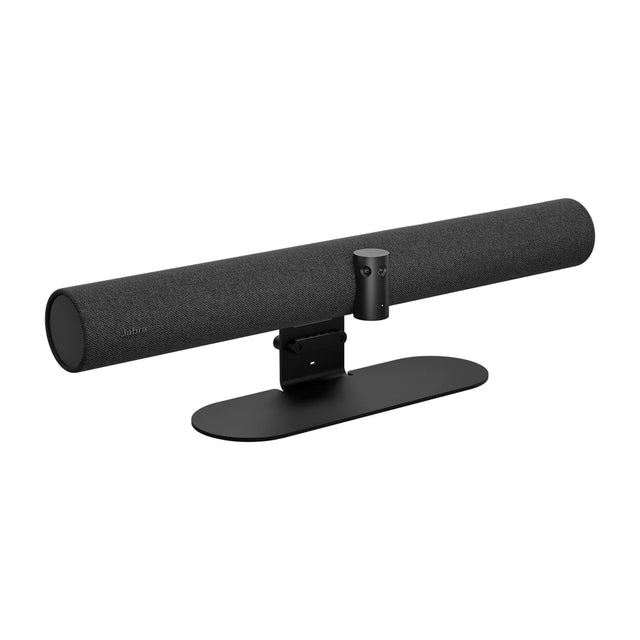
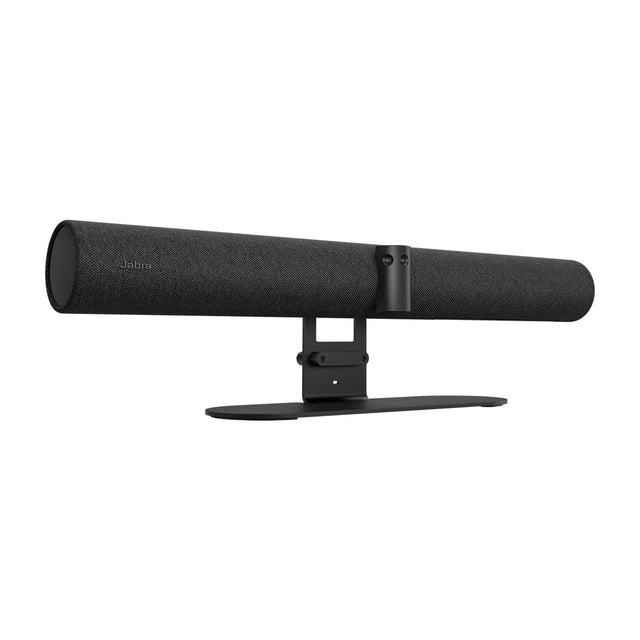
- BYOD rooms: a laptop browser can join almost any meeting. Pair it with a USB video bar and the bar becomes the browser's camera, mic and speaker. See how to set up a BYOD room for any meeting app.
- Cross-platform joining: Teams Rooms and Zoom Rooms can join some other platforms' meetings directly, often using a browser-based experience inside the room system. See what is direct guest join and Google Meet hardware interop.
- Network: WebRTC traffic is UDP-based, with TCP/TLS fallback. Firewalls that block UDP push calls onto relays and hurt quality. See network bandwidth for video calls and QoS for video conferencing.
Browser meeting tips
- Use a current version of Chrome or Edge for the widest support.
- Select the room bar, not the laptop, as camera, mic and speaker in browser settings.
- A wired network beats Wi-Fi for large group calls.
- If the camera isn't listed, check the browser's site permissions.
For more on how calls get from one room to another, read how video conferencing works.
Want a room that joins any platform from a link? Tell us what apps your guests use and we'll suggest a BYOD-ready setup.
Related guides
- 4K vs 1080p for Video Meetings: Does 4K Matter?
- Auto-Tracking Conference Cameras: How They Work
- BYOD Conference Rooms: How They Work and What to Buy
- Daisy-Chain Speakerphones: What They Are and How They Work
- How Does a Video Conferencing System Work?
- USB Conference Cameras: How They Work and What to Buy
Outfitting several rooms, or reselling? Get a volume quote or apply for wholesale pricing →