A hearing loop (also called an audio induction loop) is a wire installed around a room that carries an audio signal as a magnetic field, which hearing aids and cochlear implants with a telecoil (T-coil) pick up directly. People switch their device to the "T" setting and hear the meeting's audio clearly, without the room's echo and background noise.

How a hearing loop works
- A sound source (the room's mics, the video call audio, or the PA) feeds a loop driver (amplifier).
- The driver sends current through a loop of cable laid around the room perimeter or in a pattern under the floor.
- The current creates a magnetic field inside the looped area.
- A telecoil in the hearing aid converts the field back into sound.
- The listener hears the source directly, at a comfortable level, with little room noise.
Many hearing aids include a telecoil, but not all do, and some need it turned on by an audiologist.
Why it matters in meeting rooms
- Echo and distance: hearing aid mics pick up reverb and noise along with speech; a loop bypasses the room.
- Remote voices: call audio from a speaker across the room can be hard to understand; the loop delivers it directly.
- Accessibility: the ADA Standards for Accessible Design require assistive listening systems in certain assembly areas that have audio amplification, and for those systems some receivers must be hearing-aid compatible. A hearing loop is one way to meet that. See ADA accessibility in meeting rooms.
Hearing loop vs other assistive listening systems
| System | How it reaches the listener | Pros | Cons |
|---|---|---|---|
| Hearing (induction) loop | Magnetic field to telecoil | No receiver needed for T-coil users | Installation in floor or walls; spill into adjacent rooms |
| FM / RF | Radio to receivers with earphones or neckloops | Easy to add | Users must collect a receiver |
| Infrared | Light to receivers | Stays inside the room (good for privacy) | Needs line of sight; receivers |
| Wi-Fi/app or Bluetooth streaming | Audio to a smartphone or compatible hearing aid | Uses phones people already have | Some latency; network dependent |
What to look for when planning one
- Professional design: loops must be designed to meet the performance standard IEC 60118-4 for consistent field strength. Metal in floors and walls affects performance.
- Spill: adjacent rooms can hear each other's loops. Phased-array designs reduce spill in confidential spaces.
- Audio source: feed the loop from the same mix that goes to the room speakers, including the far end of the call. A DSP output or the room system's audio out is the usual source.
- Signage: post the international hearing loop symbol so people know to switch to T.
- Testing: check it regularly with a loop listener.
Video conferencing features that also help
- Live captions and transcription in Teams, Zoom and Google Meet. See captions and transcription in rooms.
- Clear room audio: good mic coverage and echo cancellation improve what goes into the loop.
- Acoustic treatment reduces reverb for everyone. See conference room acoustics.
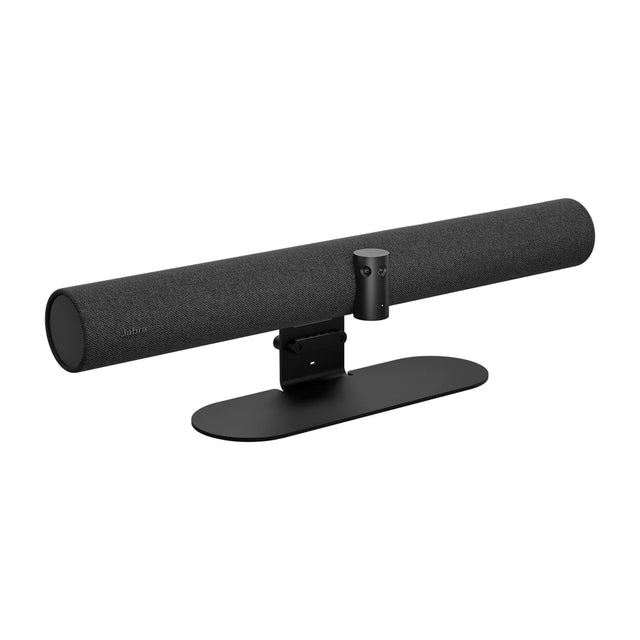
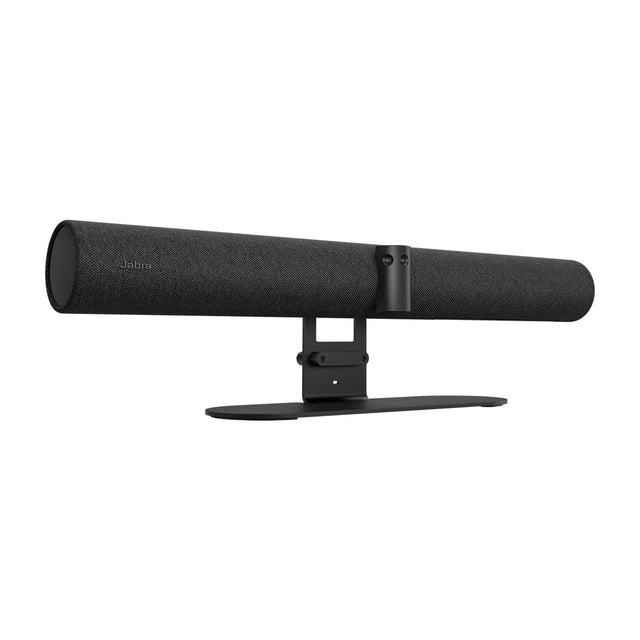
Loop installation is specialist work done by an assistive listening installer; we supply the conferencing system that feeds it. Related: council chamber hybrid meetings and church hybrid worship setup.
Building an accessible meeting space? Tell us about the room and we'll plan the audio so it can feed your assistive listening system.
Related guides
Outfitting several rooms, or reselling? Get a volume quote or apply for wholesale pricing →