A teleconference is an audio-only call among several people, usually by phone. A video conference adds live, two-way video so participants see each other. A web conference is any meeting run in a browser or app with screen sharing and chat, with or without video. A webinar is a one-to-many presentation where the audience mostly watches. Today, Teams, Zoom and Google Meet do all four.

Side-by-side
| Teleconference | Video conference | Web conference | Webinar | |
|---|---|---|---|---|
| Media | Audio only | Audio + two-way video | Audio, video optional, screen share | Presenter video and slides |
| Direction | Many-to-many | Many-to-many | Many-to-many | One-to-many |
| Typical tools | Dial-in bridge, conference phone | Teams, Zoom, Meet, room systems | Teams, Zoom, Meet, Webex | Zoom Webinars, Teams town halls |
| Audience interaction | Talk | Talk, see | Talk, share, chat | Q&A, polls, chat |
| Room hardware | Speakerphone | Camera, mics, display | Laptop or room system | Production camera and mics for presenters |
"Video conferencing" vs "videoconferencing"
Same thing. "Video conferencing" (two words) is the more common US spelling. "Videoconferencing" (one word) shows up in academic and older writing. "VTC" (video teleconferencing) is the term used in government and military. See what is VTC.
Video conference vs webinar
A video conference is a conversation: everyone can unmute and turn on video. A webinar is a broadcast: hosts and panelists present, attendees watch and ask questions. Webinars handle larger audiences and add registration, but they're usually licensed separately from meetings. Check current pricing with your platform.
Video conferencing vs face-to-face meetings
| Video conference | Face-to-face | |
|---|---|---|
| Travel time and cost | None | Can be significant |
| Who can attend | Anyone with a connection | People who can get there |
| Nonverbal cues | Partial, depends on camera framing | Full |
| Relationship building | Weaker | Stronger |
| Recording and transcripts | Easy | Needs equipment |
| Best for | Regular check-ins, distributed teams, quick decisions | Negotiations, onboarding, sensitive conversations |
Good room hardware closes much of the gap: a camera that frames faces, mics that pick up everyone, and a display large enough to see remote people at near life size. See what is a hybrid meeting and advantages and disadvantages of video conferencing.
Equipment for each
- Teleconference: A speakerphone such as those in our best speakerphones roundup, or a conference phone.
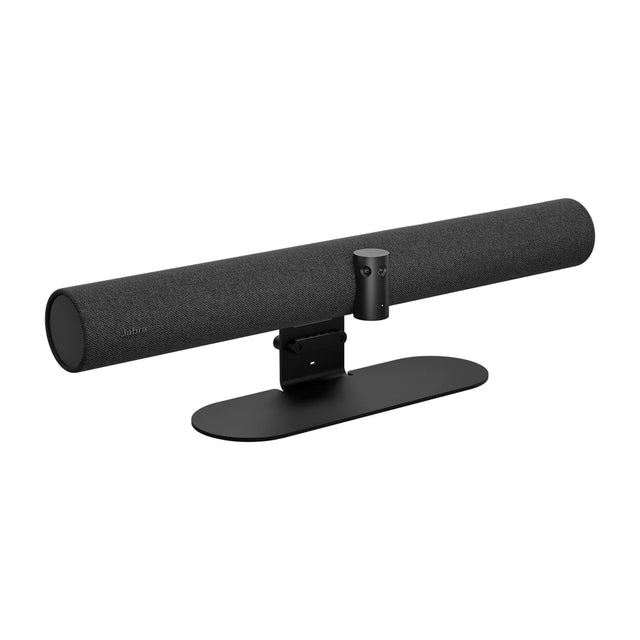
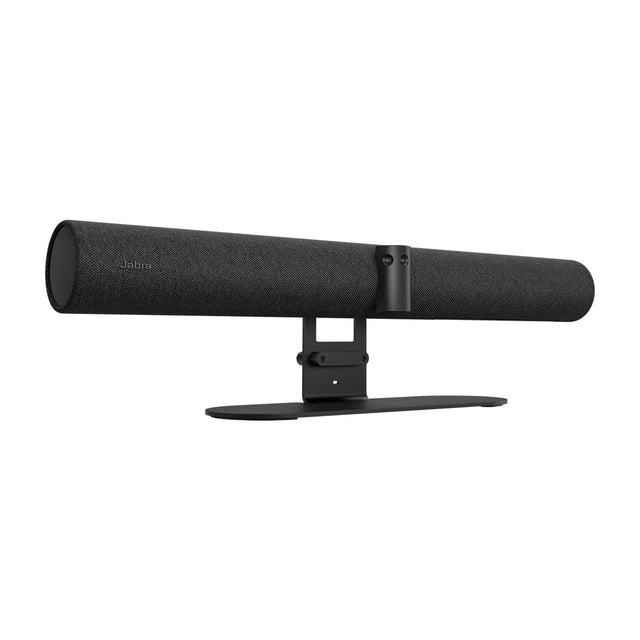
- Video conference room: A video bar or camera, mics and display. See the equipment list.
- Web conference from a desk: A webcam and headset or personal speakerphone.
More: what is video conferencing, video conferencing vs telepresence, platforms compared.
Moving from phone calls to video in your rooms? Tell us what you have today and we'll suggest an upgrade path.
Related guides
Outfitting several rooms, or reselling? Get a volume quote or apply for wholesale pricing →