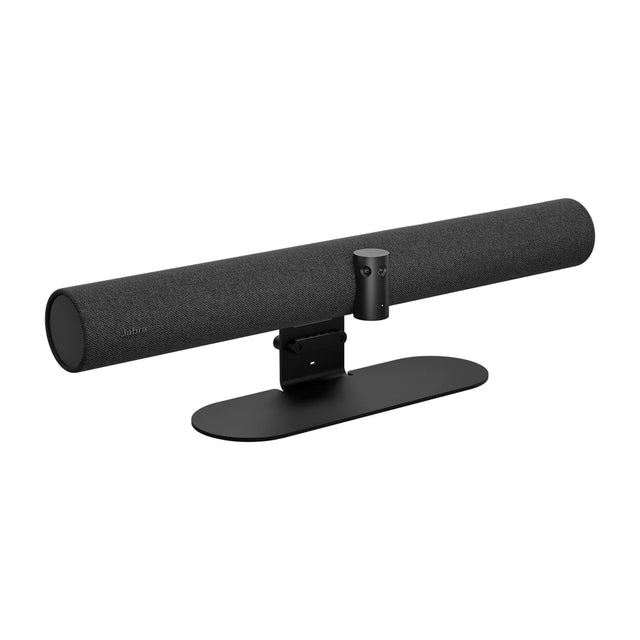
Fixes for the most common Cisco Headset 320 Series problems, from the quickest checks to when to contact Cisco. Start at the top: most issues are a setting, a cable or firmware.

Quick checks
- Restart the device: unplug power for 30 seconds, then reconnect.
- Reconnect the cables, using the ones that came in the box.
- Check that the Headset 320 Series is selected as the microphone and speaker in Teams, Zoom or Meet.
- Update the firmware. How
No sound, or people can't hear you
- Check the mute button or mute light on the device and in the app.
- In Teams, Zoom or your softphone, select this device as both microphone and speaker.
- For wireless models, make sure it's connected to the dongle or phone you think it is.
- Update the device firmware and the app.
Bluetooth or dongle won't pair
- Put the device in pairing mode and remove the old pairing from your phone or computer first.
- Plug the USB dongle directly into the computer, not a hub.
- Re-pair the dongle using the manufacturer's desktop app.
- Charge it fully: low battery can prevent pairing.
Keeps disconnecting or drops out
- Use the original cable and a direct port on the computer; long or cheap USB extensions cause dropouts.
- Turn off USB power saving on the computer (Windows: Device Manager → USB Root Hub → Power Management).
- Update firmware and the meeting app.
When to contact Cisco
If none of this works, the device may need warranty service (Cisco warranty: 2-year). Bought from us? Contact us and we'll help with the claim.
More Headset 320 Series guides
- Headset 320 Series buyer's guide: specs and price
- Headset 320 Series: setup guide
- Headset 320 Series: Teams, Zoom and Google Meet
- Headset 320 Series: full specs
- Headset 320 Series: alternatives compared
- All Cisco business headsets compared
Related guides
Outfitting several rooms, or reselling? Get a volume quote or apply for wholesale pricing →